A defunct country your character could have been from. Be sure to see Inter-City Contract entry for the more modern country.
📌 Summary
🗳️ People's Voice, 🚜 Smart Farming, 🧵 Textile Craft, 📶 Well Connected
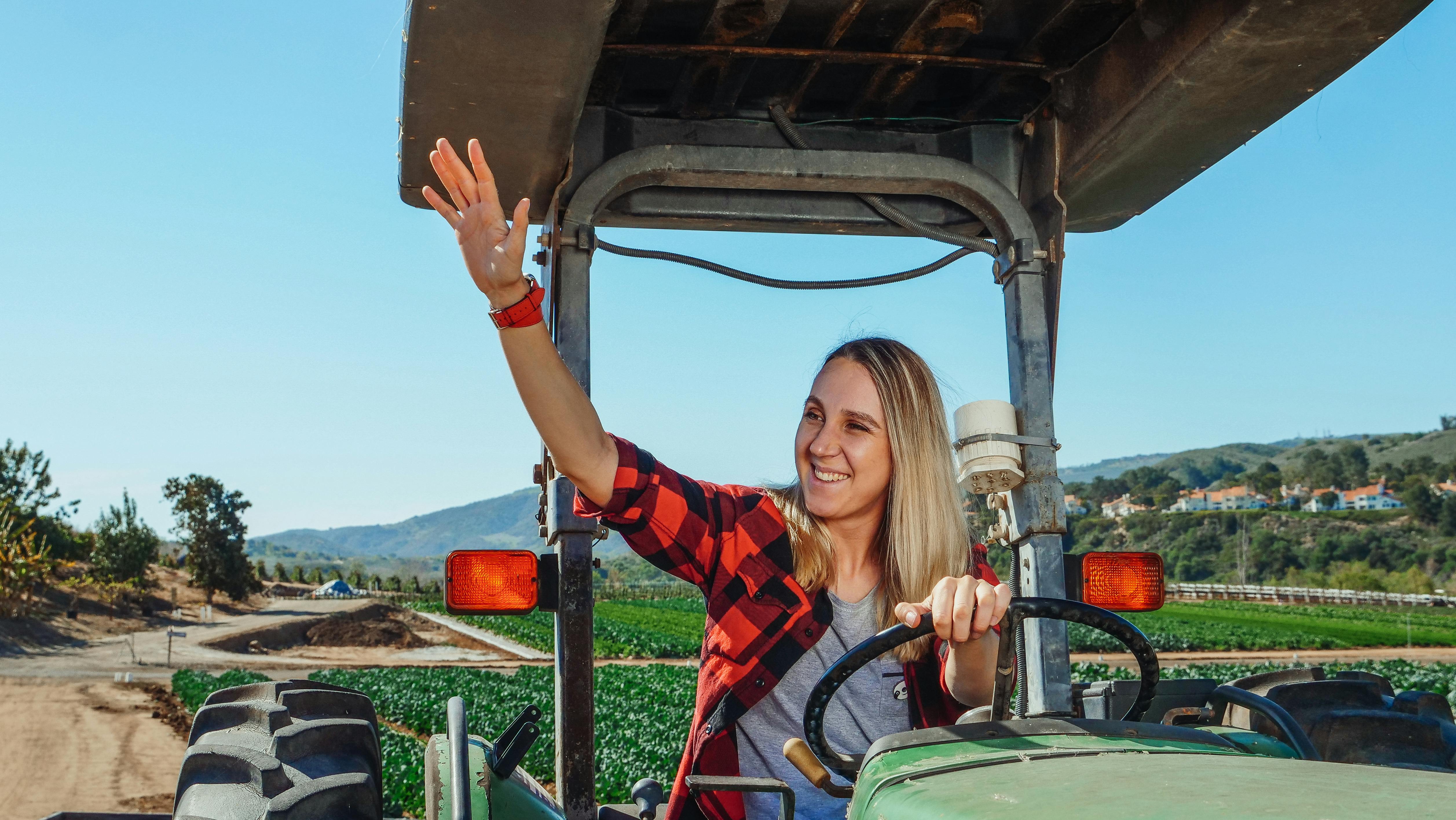
West of the Rockies, Independent West America was a safe, modern region known for scientific farming and precision textile production. Most citizens grew their own food in family or community gardens, while vast industrial farms fed much of the world. The infected were known, but extremely rare back then. Research into the parasite was banned, and strict immigration controls preserved regional stability.
The climate varied dramatically across the region, which allowed for a wide variety of plant-based fibers to support a booming textile industry. The economy was tied to a currency known simply as the Dollar, manufactured from a cotton-linen blend and accepted across much of the continent. Trade and data exchange with the rest of the world continued, supported by maintained infrastructure and high-speed connectivity.
Every two years, the capital alternated between Los Angeles and San Francisco. Laws were voted on directly by the population and were carried out by a rotating civil lottery. While its exterior may have seemed ideal, the Independent West was increasingly wary of unrest on its borders.
🎨 Culture: Modern and connected, with a strong agricultural and textile focus
💬 Name for Residents: Westerners
🖥️ Tech Level: Early 2010s internet and infrastructure
🗳️ Government: Direct democracy with lottery-based civil service
💰 Currency: The Dollar (used to be produced regionally and accepted globally until 2029)
🧭 Location: West of the Rockies, ending at the north and nouth US borders
🧟 Experience with the Infected: Extremely rare, highly controlled
🕰️ Independent West America Timeline
January 1998
Independent West America breaks away from the remnants of the US government after months with no contact.September 2008
To streamline trade and assert regional stability, the Independent West issues its own currency, the Dollar, backed by textiles and agriculture. Its quick adoption cements the West’s economic leadership.December 2008
In response to the new Dollar, the Steel Syndicate introduces Crow Coins forged from salvaged metals as a bold declaration of financial independence and industrial pride.February 2009 - March 2010
Border markets begin rejecting rival currencies, sparking tariffs, smuggling operations, and growing distrust between merchants on both sides.April 2010
After months of escalating economic tension, delegates from the Independent West and the Steel Syndicate meet at the neutral border town of Stone River. There, they sign a historic trade agreement recognizing both the Dollar and Crow Coin as valid tender within defined trade zones. Currency conversion rates are set.2029
With the PAU fallen and the IWA unprepared to take defensive measures, hordes of zombies made up of the new Merchant Island strain make their way into the IWA and overrun it after the Rockies fail to hold them back.Beyond
The IWA transforms into the Inter-City Contract/ICC after 2029.
🔥 The Fall
In 2029, mutated zombies from Merchant Island made their way past the fallen PAU and the Rocky Mountains, assaulting the IWA, which was completely unprepared for this.
Not only were they unprepared, they were also uncooperative. Instead of working together, many cities decided to withdraw into themselves. Each of these cities cut its critical infrastructure off from others, and their respective governments decided to keep their local law enforcement and military to themselves.
From these cities, a loose pact was born: the Inter-City Contract. It was meant to avoid infighting and share resources and communication, in theory.
❓Frequently Asked Questions
Feel free to Ask Questions about Chapter 3 and answers related to the country will be added here.
How did voting work?
Ballots were primarily digital and accessed through a secure civic platform called iVote. Physical paper ballots were available at public terminals and town centers. Major votes were held every 60 days. In urgent cases, a fast-track emergency vote could be called, which required 24-hour notice and a verified quorum of voters. Local communities could hold additional minor votes on regional matters at their own discretion.Who proposed new laws or changes?
Any citizen in good standing could propose a bill. However, to be placed on the ballot, a proposal had to receive a minimum of 500 verified digital endorsements or 25 endorsements from recognized civil committees (e.g., agricultural councils, infrastructure boards, textile unions).How did lottery-based civil service roles interact with the voting process?
Civil servants acted as policy implementers, not creators. They ensured the practical execution of passed laws, assessed the feasibility of proposals, and provided implementation reports for voter review. Some served as moderators during proposal debates but were not allowed to vote on legislation during their active term. A civil servant could be subject to a recall vote if a petition against them reached 300 signatures within 10 days. Once triggered, a recall vote was scheduled within the next 7 days. A successful recall required 60% support and immediate reassignment of duties.Was this a perfect system?
Hell no. There's corruption in every system that involves human beings. This was just a different one where public opinion was king (or queen).